Houston Defective Product Lawyer
Injuries from dangerous or defective products.
Free Case Review
No fee unless we win. Tell us what happened — we respond fast, 24/7.
The products in your home, your garage, and your driveway are supposed to be safe when you use them the way they were meant to be used. When an airbag fails to deploy, a space heater catches fire, a power saw's guard gives way, or a medication ships with the wrong warnings, the injuries are often severe — burns, amputations, head trauma, and worse. Texas products liability law exists for exactly these cases, and it holds manufacturers to a different, stricter standard than an ordinary negligence claim.
RK LAW represents people injured by defective products throughout the Houston area on a contingency-fee basis: your consultation is free, we are available 24/7, and you pay no attorney's fee unless we recover compensation for you. One thing before you read further: keep the product. Do not repair it, alter it, or throw it away — it is the single most important piece of evidence in your case.
Strict Liability: A Different Standard for Product Makers
Most injury claims require proof that someone was careless. Products liability is different. Under Texas law — governed largely by Chapter 82 of the Texas Civil Practice and Remedies Code and Texas common law — a manufacturer can be held strictly liable when it places a defective product into the stream of commerce and that defect causes injury. You generally do not have to prove the company was sloppy or knew about the problem; you have to prove the product was defective, the defect made it unreasonably dangerous, and the defect caused your injury while the product was being used in a reasonably foreseeable way.
That is a powerful legal tool, but it is not a simple one. Manufacturers defend these cases aggressively, often arguing that the product was misused, modified after it left the factory, or worn out. Building the case usually means engineering analysis, testing, and qualified technical testimony — which is exactly why preserving the product in its post-incident condition matters so much.
The Three Types of Product Defects
Texas law recognizes three defect theories, and many cases involve more than one. A manufacturing defect means something went wrong when this particular unit was made — it left the factory different from its own design and more dangerous because of it. Think of a batch of airbag inflators with a flawed weld, a ladder with a void in the metal, or a contaminated lot of medication. The design was fine; your unit wasn't.
A design defect means the product was built exactly as intended, but the design itself is unreasonably dangerous — and a safer alternative design existed that was economically and technologically feasible. Examples include an SUV design prone to rollover, a table saw sold without an available blade-stopping safety mechanism, a space heater without a tip-over shutoff, or a child's toy with small parts that detach.
A marketing defect — often called failure to warn — means the product lacked adequate warnings or instructions about dangers the manufacturer knew or should have known about. A medication that omits a serious interaction risk, a power tool manual that never mentions a kickback hazard, or a cleaning product without proper ventilation warnings can all support this theory. We see these defect types across vehicles and airbags, household appliances, power tools, children's products, medical devices, and prescription drugs.
Who Can Be Held Responsible
The primary defendant in a Texas products case is almost always the manufacturer — the company that designed, made, or assembled the product or its defective component. That can include foreign manufacturers, component-part makers, and companies that put their brand name on products built by someone else.
Retailers and distributors who merely sold the product are treated differently. Under Tex. Civ. Prac. & Rem. Code § 82.003, a non-manufacturing seller is generally not liable unless specific exceptions apply — for example, the seller altered or modified the product, installed it improperly, made its own independent representations about safety, actually knew of the defect at the time of sale, or the manufacturer is insolvent or beyond the reach of Texas courts. Identifying every responsible party early matters, especially when a manufacturer is overseas or out of business — and it is one of the first things we investigate in every case.
Two Deadlines: The Statute of Limitations and the 15-Year Statute of Repose
Products cases carry two separate clocks. The first is the familiar one: in most cases you have two years from the date of injury to file suit (Tex. Civ. Prac. & Rem. Code § 16.003). The second is less well known and less forgiving: Texas's statute of repose for products liability, Tex. Civ. Prac. & Rem. Code § 16.012, generally bars claims filed more than 15 years after the date the product was first sold — no matter when the injury happened. A defect in a 16-year-old machine can cause a very real injury and still leave no products claim, subject to limited exceptions such as an express warranty of a longer safe life.
The practical takeaway: the age of the product matters, and the two-year clock starts running immediately. Evidence disappears fast — the product gets discarded, the scene gets cleaned up, and purchase records get lost. Talking to a lawyer early costs you nothing and protects both deadlines. (This page is general information, not legal advice about your specific deadline.)
Recalls, Evidence, and Why You Must Preserve the Product
Clients often ask whether a recall makes or breaks the case. Neither. A recall can be helpful evidence — it tends to show the manufacturer had notice of the problem — but you do not need a recall to bring a claim, and an existing recall does not automatically win one or bar one. Plenty of dangerous products are never recalled, and a recall notice you never received does not erase the manufacturer's responsibility.
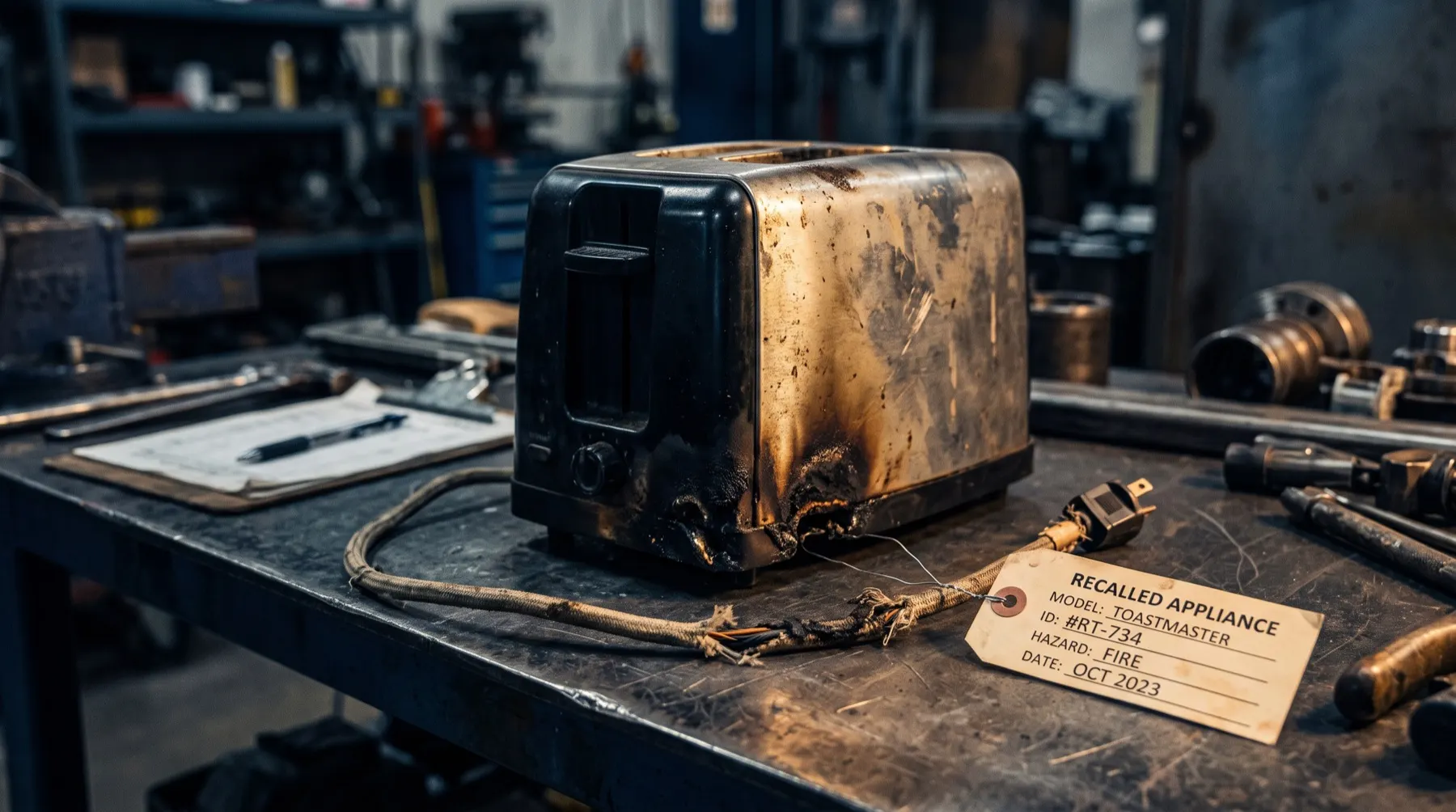
What actually decides these cases is the product itself. Do not repair it. Do not alter it. Do not throw it away. Do not return it to the store or hand it to the manufacturer's investigator. Store it somewhere safe, exactly as it was after the incident, and keep everything that came with it — receipts, packaging, manuals, warranty cards, and any registration or purchase emails. Photograph the product, your injuries, and the scene.
Then contact us. RK LAW will arrange proper preservation of the evidence, identify every responsible company, and bring in the engineers and medical professionals your case needs. The consultation is free, we are available 24/7, and you pay no fee unless we win.
You may be entitled to compensation for:
- Medical bills
- Lost wages
- Pain & suffering
- Future care
Defective Products FAQs
How much does a defective product lawyer cost in Houston?
RK LAW handles products liability cases on a contingency fee: you pay nothing up front and no attorney's fee at all unless we recover compensation for you. The consultation is free and we are available 24/7.
How long do I have to file a defective product claim in Texas?
Generally two years from the date of injury under Tex. Civ. Prac. & Rem. Code § 16.003 — and separately, Texas's 15-year statute of repose (§ 16.012) can bar claims involving products first sold more than 15 years ago, with limited exceptions. Contact an attorney promptly to protect your specific deadlines.
Do I have to prove the manufacturer was negligent?
Usually not. Texas products liability law imposes strict liability: if the product was defective and unreasonably dangerous, and the defect caused your injury during reasonably foreseeable use, the manufacturer can be responsible even if it was not careless. Proving the defect, however, typically requires the product itself and qualified engineering analysis.
The product was never recalled. Do I still have a case?
Possibly, yes. A recall is not required to bring a products liability claim — many dangerous products are never recalled. A recall can help show the manufacturer knew about the danger, but its absence does not defeat your claim, and its existence does not automatically win it.
I threw the product away after I was hurt. Is my case over?
Not necessarily, but it is significantly harder — the product is usually the central evidence. If you still have it, preserve it exactly as it is: no repairs, no alterations, no returning it to the store. If it is gone, call us anyway; photos, receipts, medical records, and other units of the same product may still support a claim.
Can I sue the store that sold me the product?
Only in limited circumstances. Under Tex. Civ. Prac. & Rem. Code § 82.003, non-manufacturing sellers in Texas are generally protected unless an exception applies — such as the seller modifying the product, installing it improperly, knowing of the defect at sale, or the manufacturer being insolvent or outside the court's reach. We evaluate every potentially responsible party in your case.
These answers are general information, not legal advice. Get a free case review for advice about your situation.
Ready to talk? It's free.
Get a free, no-obligation case review from a Houston Defective Product Lawyer. There's no fee unless we win.